Commercial interior project planning is the foundation of a smooth and stress-free execution for any business space.
Starting a commercial interior project is exciting—but it can also feel overwhelming if you don’t know what to expect.
Many business owners jump straight into designs or cost discussions, only to face delays, confusion, or budget issues later. Whether you’re planning an office, showroom, clinic, restaurant, or startup workspace, understanding the process before work begins makes a huge difference.
This blog is written to help business owners prepare better and avoid common problems during commercial interior execution.
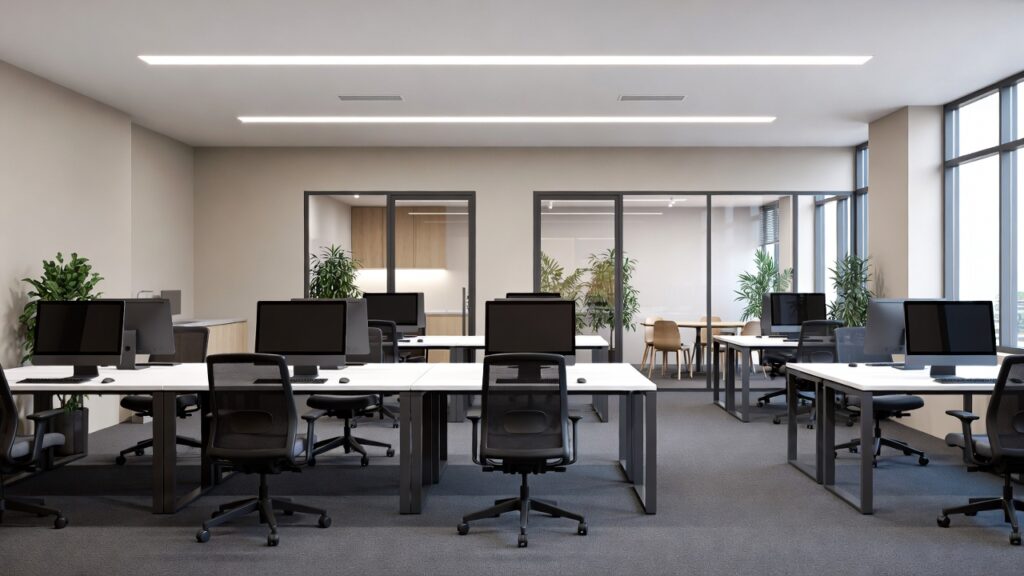
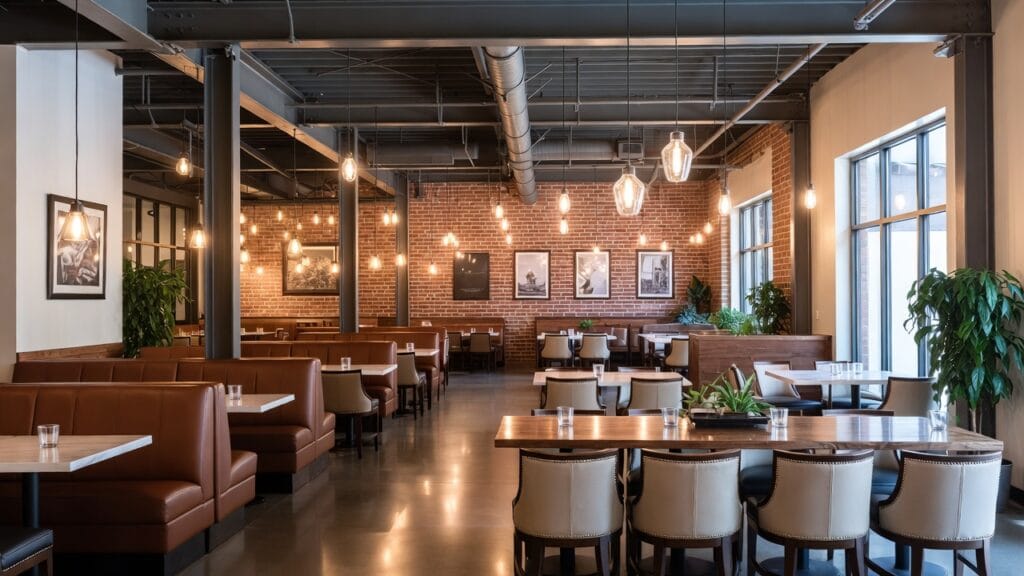
Commercial Interiors Are Different from Residential Projects| Why Commercial Interior Project Planning Matters
One of the biggest misconceptions is treating commercial interiors like home interiors.
Commercial spaces are built around:
- Daily operations
- Staff movement and productivity
- Customer flow
- Durability and safety
- Brand presentation
Because of this, planning, materials, timelines, and execution methods are very different. A clear understanding of this difference helps business owners set realistic expectations from day one.
Preparation Matters More Than Design
Good commercial interior projects don’t fail because of bad designs.
They fail because of poor preparation.
Before starting, business owners should be clear about:
- How the space will be used daily
- Number of employees or visitors
- Storage and utility requirements
- Growth plans for the next few years
- Budget comfort range (not just minimum cost)
When these points are discussed early, the project flows smoothly without repeated changes or confusion.
The Real Flow of a Commercial Interior Project
Most commercial interior projects follow a structured execution flow, even if it looks chaotic from the outside.
🔹 Planning & Space Zoning
Workstations, cabins, meeting rooms, service areas, and customer zones are mapped logically.
🔹 Design & Approvals
2D layouts and visual references are finalised so everyone is aligned before work starts.
🔹 Budget & Material Finalisation
Costs depend heavily on materials, finishes, and execution quality—not just square footage.
🔹 Site Execution
Civil work, carpentry, electricals, lighting, ceilings, and finishes are executed in stages.
🔹 Completion & Handover
Final checks ensure the space is functional, safe, and ready for daily use.
Understanding this flow helps business owners track progress and communicate better during execution.
Cost Expectations: Think Practical, Not Just Low
One common mistake is focusing only on the lowest quotation.
Commercial interior costs depend on:
- Nature of the business
- Level of usage and wear
- Material durability
- Custom furniture needs
- Compliance and safety requirements
Choosing purely based on price often leads to compromises that cost more later in repairs, redesigns, or downtime.
Proper commercial interior project planning helps businesses reduce delays, cost overruns, and execution confusion during the project lifecycle.
Why Coordination Is a Bigger Challenge Than Design
Commercial interior work involves many moving parts:
- Designers
- Site supervisors
- Carpenters
- Electricians
- Vendors and suppliers
Without proper coordination, delays are inevitable. This is why many business owners prefer a single responsible team instead of managing multiple contractors themselves.
About SB Interior Solutions
SB Interior Solutions has handled a wide range of interior projects across Hyderabad, including offices, commercial spaces, restaurants, homes, renovations, and startup setups.
Clients often value the structured, end-to-end approach—where planning, execution, and handover are managed clearly without unnecessary complications.
To understand their commercial interior services in detail, you can explore:
👉 https://sbinteriorsolutions.net/
Common Issues Business Owners Can Easily Avoid
Based on real project experience, these problems are very common:
- Starting work without final layouts
- Changing scope midway without cost clarity
- No defined timeline
- Poor communication between vendors
- Ignoring maintenance and durability
Avoiding these alone can save time, money, and stress.
Final Thoughts
A commercial interior project is not just about how the space looks—it’s about how smoothly your business runs every day.
With structured commercial interior project planning, business owners can align design, budget, and execution more effectively.
With proper preparation, clear expectations, and the right execution approach, commercial interiors become a long-term support system for your business rather than a recurring headache.
If you’re planning a commercial interior project and want to understand the process better before starting, this preparation itself puts you ahead of most people.